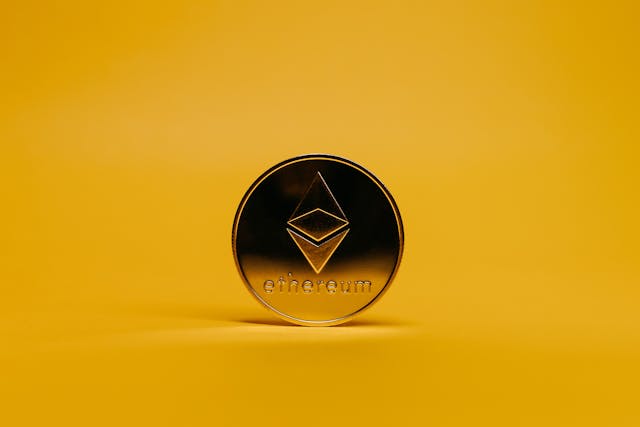
Ethereum 2.0: Has The Merge Delivered on Its Promise?
On September 15, 2022, Ethereum made history by completing The Merge — switching from Proof-of-Work (PoW) to Proof-of-Stake (PoS). It was hailed as the most significant event in crypto since Bitcoin’s launch.
But two years later, the question remains: did The Merge truly deliver on its promises, or are the best parts still to come?
🌍 The Energy Promise — Delivered
The biggest win came instantly: Ethereum slashed its energy consumption by more than 99% overnight.
“Ethereum’s energy consumption has been reduced by ~99.95% following The Merge.” — Ethereum Foundation
Before the upgrade, Ethereum consumed as much energy as a medium-sized country. Post-Merge, it’s closer to a few thousand households. For ESG-focused investors, this was a game-changer.
💰 Issuance & Tokenomics — Mostly Delivered
Under PoW, miners were rewarded with millions of ETH annually. The Merge ended miner rewards, cutting new ETH issuance by ~90%. Combined with EIP-1559, which burns part of transaction fees, Ethereum has even entered periods of net deflation.
As researcher Justin Drake from the Ethereum Foundation put it:
“The Merge is Ethereum’s triple halving. It’s like Bitcoin going through three halvings at once.”
This means ETH is now seen by some as “ultrasound money,” with supply growth significantly curbed.
🔒 Staking, Withdrawals & New Trade-Offs
The Merge also activated staking — users can lock ETH to secure the network and earn rewards. Later, the Shanghai/Capella upgrade (April 2023) allowed withdrawals, making staking fully functional.
Over 30% of all ETH is now staked, boosting security.
But new challenges emerged:
- Liquid staking providers like Lido and exchanges like Coinbase dominate, raising centralization risks.
- MEV (Maximal Extractable Value) has become a major force, with most validators outsourcing block building to specialized operators.
“The economics of MEV could centralize Ethereum in ways Proof-of-Work never did.” — Flashbots Research
⛓️ Scalability & Fees — Not Yet
Here’s the catch: The Merge never promised to reduce gas fees or increase transaction speed.
For users, gas prices still spike during high demand. The real fix comes from the next roadmap stages:
- EIP-4844 / Proto-Danksharding — cutting rollup costs using “blobs.”
- Danksharding — a long-term solution for scaling data throughput.
- Rollups like Optimism and Arbitrum — already moving activity off Ethereum mainnet.
Until these mature, everyday users won’t feel the “cheaper Ethereum” promise.
🔐 Security & Decentralization
PoS has proven secure, with millions of ETH at stake and over a million validators. But risks remain:
- Client diversity is essential — if too many validators run the same software, the chain could face vulnerabilities.
- Staking concentration makes Ethereum’s governance and censorship resistance a hot topic.
As Vitalik Buterin himself said:
“The Merge is not the end of the journey. It is the beginning of Ethereum’s long and complex roadmap to scalability and decentralization.” (Devcon Keynote)
📈 The Road Ahead
The Merge delivered:
✅ Energy savings
✅ Issuance reduction
✅ Staking & withdrawals
But it has not yet delivered:
❌ Lower fees
❌ Higher throughput
Those are on the way, thanks to EIP-4844 and the broader rollup-centric roadmap.
🔎 Final Verdict
Ethereum 2.0 isn’t “done.” The Merge was a necessary foundation — but not the finish line.
- For environmental impact → ✅ Success.
- For tokenomics → ✅ Mostly a success.
- For usability (fees, speed) → ⏳ Still pending.
The next big milestones will determine whether Ethereum keeps its crown as the world’s leading smart contract platform or cedes ground to rivals like Solana, Avalanche, and new Layer-1s.
✨ Bottom Line: The Merge delivered on energy and issuance, but the Ethereum experience won’t truly transform until scaling upgrades go live. We’re in the middle of the story — not the end.