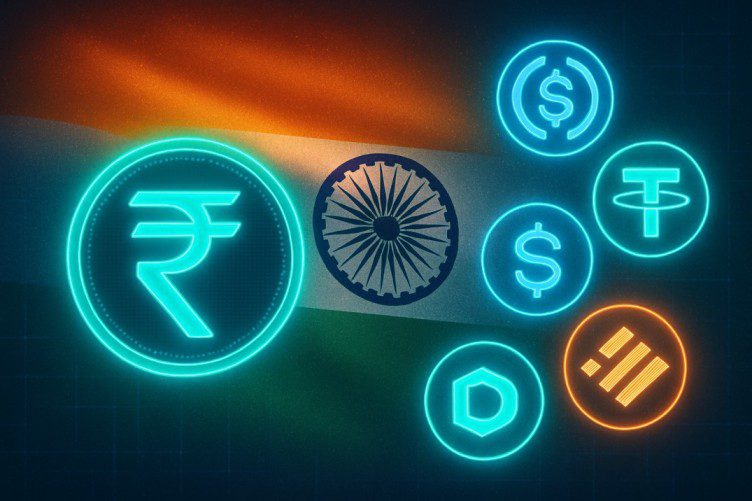
Why India Needs Urgent Clarity on Stablecoins – Before It’s Too Late
Imagine this:
Ravi, a 27-year-old software developer in Bengaluru, wants to send money to his parents in a small village. Right now, he uses UPI, but when he tries to send money to his cousin in Dubai, he pays 7% in fees and waits two whole days for the transfer to clear.
One day, his friend suggests using a stablecoin — a type of cryptocurrency tied to the value of a real currency, like the U.S. Dollar or the Indian Rupee.
Ravi tries it.
Within seconds, his cousin receives the full amount with almost zero fees.
Sounds amazing, right? 🚀
But here’s the problem — India doesn’t have clear rules for stablecoins. Tomorrow, if a scam happens or a stablecoin suddenly collapses, Ravi has no legal protection. Worse, if millions of people like him start using foreign-backed stablecoins, it could weaken India’s control over its own economy.
That’s why India urgently needs clarity on stablecoins — not just to avoid chaos but to unlock opportunities safely.
🪙 What Are Stablecoins – In Simple Terms
Think of a stablecoin as “digital cash” on the internet.
- Example:
If you hold ₹100 in Paytm, you know Paytm actually keeps ₹100 in a bank account for you.
Similarly, if you hold 100 USDC (a popular stablecoin pegged to the U.S. Dollar), there should be $100 sitting safely in reserves somewhere.
The goal is to combine the speed of crypto with the stability of regular money.
💡 Popular Stablecoins Globally:
- USDT (Tether): Pegged to the U.S. Dollar
- USDC (Circle): Backed by U.S. reserves and treasury bills
- DAI: Algorithmic stablecoin backed by crypto assets
🌍 Why Stablecoins Matter for India
Stablecoins aren’t just another crypto trend. They could reshape how money moves in and out of India.
Here’s how they could help:
1. Cheaper Remittances
India is the world’s #1 recipient of remittances, with Indians abroad sending home $125 billion in 2023.
Current remittance methods are slow and expensive. Stablecoins could cut fees by 80–90%.
Example:
Ravi’s cousin in Dubai sends him $500 through a bank → Fee: $35 + 2 days delay
With a stablecoin → Fee: < $1 + Instant transfer
2. Faster Business Payments
Imagine an Indian startup paying a freelancer in the Philippines.
With stablecoins, they can pay instantly, without worrying about exchange rates and bank delays.
3. Boosting Digital Innovation
Stablecoins could become the backbone for:
- Smart contracts in real estate
- Decentralized finance (DeFi) platforms
- Tokenized assets, like bonds or stocks
⚠️ The Big Risks – Why India Is Worried
Now, let’s flip the coin. 🪙
Without clear rules, stablecoins could destabilize India’s economy.
RBI Governor Shaktikanta Das warned:
“Stablecoins pegged to foreign currencies can become a threat to India’s monetary sovereignty if left unchecked.”
Here’s what could go wrong:
1. Dollarization – Losing Control of the Rupee
If millions of Indians start using a dollar-backed stablecoin like USDT, people may prefer it over the Indian Rupee.
Over time, this could reduce RBI’s control over inflation, interest rates, and economic stability.
Example:
Imagine a shopkeeper in Mumbai accepting USDT instead of INR.
- RBI can’t track or regulate this properly.
- Tax authorities lose visibility.
- The rupee’s demand falls → making it weaker.
2. Stablecoin Collapse – The “Digital Bank Run” Scenario
Think about what happened with Yes Bank in 2020, when people rushed to withdraw money fearing the bank’s collapse.
Now imagine that happening digitally, at the speed of the internet.
If a stablecoin issuer doesn’t have enough reserves, millions could lose money instantly, creating panic in financial markets.
This already happened once!
In 2022, the algorithmic stablecoin TerraUSD (UST) crashed, wiping out $40 billion globally in a single week.
3. Money Laundering & Illicit Finance
Without proper KYC (Know Your Customer) rules, stablecoins could be misused for:
- Terror financing
- Drug trafficking
- Tax evasion
Example:
Someone could move crores of rupees across borders using stablecoins without RBI even knowing — completely bypassing India’s foreign exchange rules.
🏛️ India’s Current Position – Too Many Grey Areas
Right now, India’s stance on stablecoins is unclear:
- RBI is cautious and concerned, pushing for its own digital currency, the e-rupee.
- There’s 30% tax on crypto trades + 1% TDS, but no specific rule for stablecoins.
- Startups don’t know whether issuing or handling stablecoins is legal.
- Banks are hesitant to work with crypto businesses due to fear of RBI backlash.
Result?
- Honest businesses are confused.
- Users like Ravi are unprotected.
- Criminals may exploit loopholes.
🕰️ Why Clarity Is Needed NOW – Not Later
Here’s why India cannot afford to wait:
1. Protect Consumers Before a Crisis
If a stablecoin fails tomorrow, millions could lose savings overnight — with no compensation or legal recourse.
2. Encourage Good Innovation
Clear rules will attract investment into India’s Web3 and fintech sectors instead of driving talent abroad.
3. Maintain Control Over the Economy
Early regulation ensures that stablecoins don’t replace the rupee in everyday transactions.
4. Compete Globally
Countries like Singapore, EU, and the U.S. are already rolling out stablecoin laws.
India risks falling behind if it delays.
✅ What India’s Rules Could Look Like
Here’s what sensible regulation might include:
- Licensing for Stablecoin Issuers
- Only approved, audited companies can issue stablecoins.
- Strict Reserve Backing
- Every ₹100 stablecoin must be backed by ₹100 in safe, liquid assets like government bonds.
- Transparency for Users
- Regular public audits showing where the backing money is stored.
- Integration With RBI’s Systems
- Stablecoins must follow RBI’s KYC and anti-money laundering rules.
- Consumer Protection
- Clear rules for redemptions and refunds.
🌟
Stablecoins could be a game-changer for India — making payments faster, cheaper, and more inclusive.
But without urgent clarity, they could also undermine our financial system and harm everyday users.
As RBI Governor Shaktikanta Das put it:
“We must strike a balance — encourage innovation but protect India’s financial sovereignty.”
The window is closing fast.
India must act now to set the rules, protect its people, and unlock the benefits of the digital economy — before someone else does it for us.