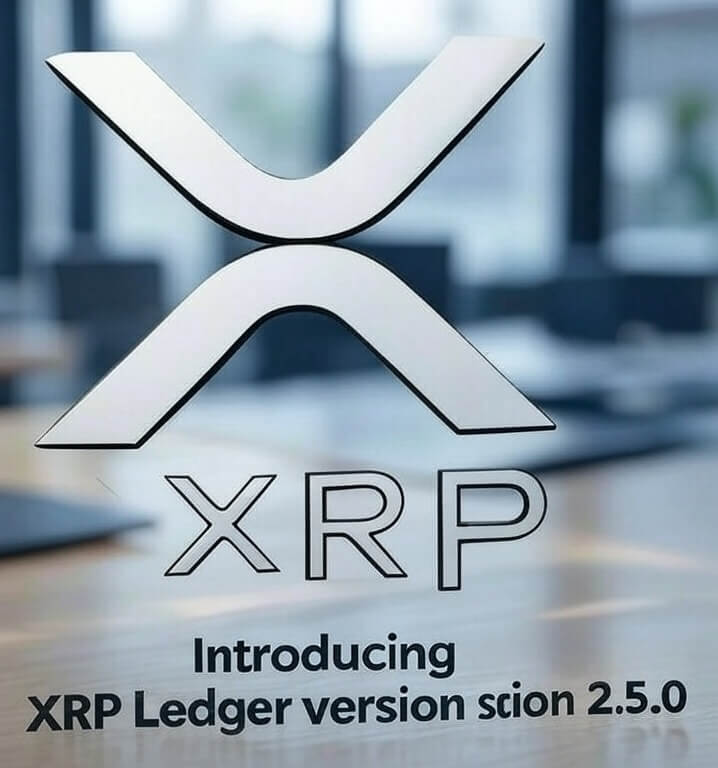
XRP Ledger 2.5.0 is Here: What Retail Investors Need to Know in 2025
The XRP Ledger (XRPL) just dropped one of its most significant upgrades yet: Version 2.5.0. But what does that really mean for everyday retail investors like you?
If you’re holding XRP—or even just watching the space—this is a must-read. Let’s break it down in plain English, no technical fluff, just what matters to your wallet. 👇
📦 What’s New in XRP Ledger 2.5.0?
XRP Ledger 2.5.0 brings real utility upgrades and next-level efficiency to the network. This isn’t just a “backend patch” — it enables new features that could change how tokens are used, traded, and managed on the XRPL.
Here are the key highlights:
✅ 1. Batch Transactions (XLS-56d)
What it is: A single transaction that can execute up to 8 operations at once, and all of them either succeed or fail together.
Why it matters for you:
- Bulk transactions = less cost 🤑
- Great for airdrops, mass payments, NFT minting, payroll, and automation
- Improves speed and network efficiency
Imagine a future where wallets auto-split your payments, or apps send tokens and update data at once. This feature makes it real.
🔐 2. Escrow for All Tokens (Not Just XRP!)
What it is: Previously, only XRP could be locked in escrow. Now, any token on the XRPL can be escrowed—whether it’s a stablecoin, utility token, or even a memecoin.
Why it matters for you:
- Projects can now launch vesting contracts, timed token releases, or loyalty programs
- More trusted DeFi use cases coming to XRPL
- Brings stablecoins and CBDC pilots one step closer to real adoption
Think of it as putting your digital assets in a “smart locker” that opens only under certain conditions—trustless and programmable.
🏛️ 3. Permissioned DEXs + Delegated Permissions (XLS-75)
What it is: XRP Ledger now supports:
- Permissioned decentralized exchanges — DEXs with access rules
- Delegated permissions — assign rights to other accounts or scripts
Why it matters for you:
- Banks, institutions, or fintechs can safely launch DEXs with compliance controls
- Users can automate actions or let bots manage assets securely
- May attract regulated token listings and larger capital flows
Retail investors could soon be trading tokenized assets, stablecoins, and more on compliant, user-friendly DEXs.
🛠️ 4. Performance, Memory & Network Upgrades
What it is: Major improvements in memory, I/O, and consensus performance:
- 10–15% reduction in memory and bandwidth
- Faster transaction propagation
- Fail-safe consensus logic = fewer stalls or network hiccups
Why it matters for you:
- Cheaper to run a node (for devs and validators)
- Faster confirmation times ⏱️
- Smoother network experience = higher reliability, which attracts bigger projects
💰 XRP Price Movement & Network Signals
- XRP jumped ~6% after the announcement 📈
- Active XRPL addresses surged 7× pre-launch — a sign of developer and user interest
- Ripple is collaborating with Ondo, Uphold, CME, and stablecoin projects like EURØP and RLUSD to expand XRPL utility
This is not just a code update—it’s the foundation for real-world adoption.
👀 Why Retail Investors Should Pay Attention
💎 1. Enhanced Token Utility
Projects launching on XRPL can now offer time-based rewards, token vesting, multi-transaction logic, and more.
The result? Better projects, more use-cases, and greater XRP demand.
🏦 2. Compliance-Ready Infrastructure
Permissioned DEXs allow regulated financial products to live on-chain.
This could bring in institutional investors, central banks, and large-scale fintechs.
🌍 3. Stablecoin & CBDC Readiness
With better token management (like escrow), XRPL is now more attractive for governments and fintech firms issuing digital currencies.
XRP may serve as a bridge between CBDCs or tokenized real-world assets.
🔮 4. Long-Term XRP Value Drivers
The more projects use XRPL for real things—like payments, tokenized stocks, remittances—the more XRP’s native utility grows. And that’s a huge plus for long-term holders.
Beyond the Hype
XRP Ledger 2.5.0 is not just a developer update—it’s a toolkit for the future of finance. It improves everything from user experience to institutional-grade infrastructure.
If you’re a retail investor, here’s what to do:
✅ What You Should Do Next
- Follow projects launching on XRPL (e.g., stablecoins, tokenized assets, NFT platforms)
- Watch XRP metrics (volume, network use, token launches)
- Stay updated on Ledger upgrades—the next few versions could add even more smart contract-like features
📢 TL;DR (Too Long, Didn’t Ripple)
| Feature | Why It Matters |
|---|---|
| 🧺 Batch Transactions | Lower costs, faster bulk actions |
| 🔐 Token Escrows | Secure token release for stablecoins, rewards |
| 🏛️ Permissioned DEXs | Compliant DeFi & fintech adoption |
| ⚙️ Network Upgrades | Better reliability & performance |
| 🌍 Institutional Signals | Real-world asset and CBDC integration potential |
XRP Ledger is gearing up to be more than just fast—it’s becoming foundational.