Life Without Paper Money: What Would Happen If Cash Disappeared?
Envisioning a Cashless Future
Picture a world where your wallet carries no bills—just digital wallets, cards, and cryptocurrencies. 📲 While this might sound like science fiction, it’s already the reality in parts of Sweden, India, and China. As the use of digital payments grows, the question emerges: what happens if physical cash vanishes completely?
Let’s dive into what a cashless future could mean, exploring both the opportunities and the hurdles ahead.
🌟 The Promise of Going Cashless: Potential Benefits
- Curbing Corruption and Undeclared Income
Traceable transactions make it much harder to conceal income or avoid taxes, as every payment leaves a digital trail and can be monitored by authorities.“Cash is the currency of crime.”
— Larry Summers, Former US Treasury Secretary - Cost Savings for Governments
The process of creating, transporting, and securing paper money is expensive. Moving to digital transactions could save governments significant resources. - Simpler, Faster Payments
Digital technology—whether it’s tapping a card or scanning a QR code—makes buying and selling quicker and more convenient.
Example: In India, the Unified Payments Interface (UPI) saw more than 10 billion transactions in just one month in 2025—a clear illustration of digital payment power. - Greater Monetary Control
Flows of money can be managed more efficiently, enabling central banks to deliver policies instantly, such as stimulus payouts, automatic taxes, or even negative interest rates.
⚠️ Challenges and Risks in a No-Cash Economy
- Excluding the Unbanked and Vulnerable
Over 1.4 billion people globally remain without access to basic banking. Without cash, those without smartphones or internet connectivity could be left behind. - Dependence on Technology
Outages, cyberattacks, or digital platform failures could abruptly halt all economic activity.
Example: The rollout of Nigeria’s eNaira digital currency fell short in part due to widespread gaps in smartphone access and digital literacy. - Privacy Issues
Each digital transaction is recorded, raising concerns that governments or businesses could track and misuse personal financial data.“In the cashless society, your every move is watched, recorded, and analyzed.”
— Edward Snowden, Whistleblower - Exposure to Cybercrime
Digital wallets and banking infrastructure can be vulnerable to hacking, with the risk of large-scale theft and economic disruption.
Example: In July 2025, hackers stole over $44 million from CoinDCX, an Indian crypto exchange. - Possibility of Negative Interest Rates
With no way to withdraw and stash physical cash, central banks could introduce negative interest rates, essentially charging people for saving.
📊 Cashless Progress Around the World
| Country | Progress Towards a Cashless Society |
|---|---|
| Sweden | 95% of transactions are digital; targeting a cashless society by 2026 |
| India | Explosive UPI adoption; Digital Rupee (CBDC) pilot underway |
| China | Digital Yuan widely used; QR payments dominate |
| Nigeria | Launched digital currency, but public uptake has been limited |
🪙 Cryptocurrencies & Central Bank Digital Currencies (CBDCs)
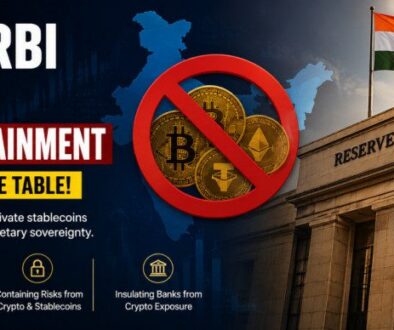
As traditional cash fades, digital currencies such as Bitcoin, Ethereum, and especially government-backed CBDCs are poised to play a bigger role.
- CBDCs: Issued and regulated by governments, these provide official, digital tender.
- Cryptocurrencies: Offer more privacy and global access, but are also more volatile and less regulated.
Example: China’s Digital Yuan gives the government full oversight of financial flows, while Bitcoin enables global, semi-anonymous transactions.
🚀 Looking Ahead: Is This the End of Cash?
Physical currency continues to exist, notably in countries with large, rural populations. However, its role is quickly declining.
- Cash will serve more as a backup than the default.
- Digital wallets and CBDCs are set to dominate everyday transactions.
- Central banks will have increasing control over the monetary system.
🎯 The Balancing Act: Opportunities and Safeguards
A world without cash could mean more efficiency, transparency, and innovation—but the move must be carefully managed to avoid excluding the most vulnerable and compromising privacy or security.
“Technology shapes economies. But inclusivity must shape technology.”
— Satya Nadella, CEO of Microsoft
📢 What Do You Think?
Would a cash-free world improve or complicate life? Share your thoughts below! 💬