Polygon (MATIC / POL) Is Building the Future of Global Payments — From India to the World
Polygon Labs is on a roll. The Ethereum scaling giant isn’t just improving blockchain performance anymore — it’s building bridges between traditional finance and Web3. From launching a sovereign-backed stablecoin in India to joining a $10-trillion global payments consortium, Polygon is shaping up to be one of the most influential players in the blockchain ecosystem.
Let’s break down what’s happening, why it matters, and how it could change the crypto world forever.
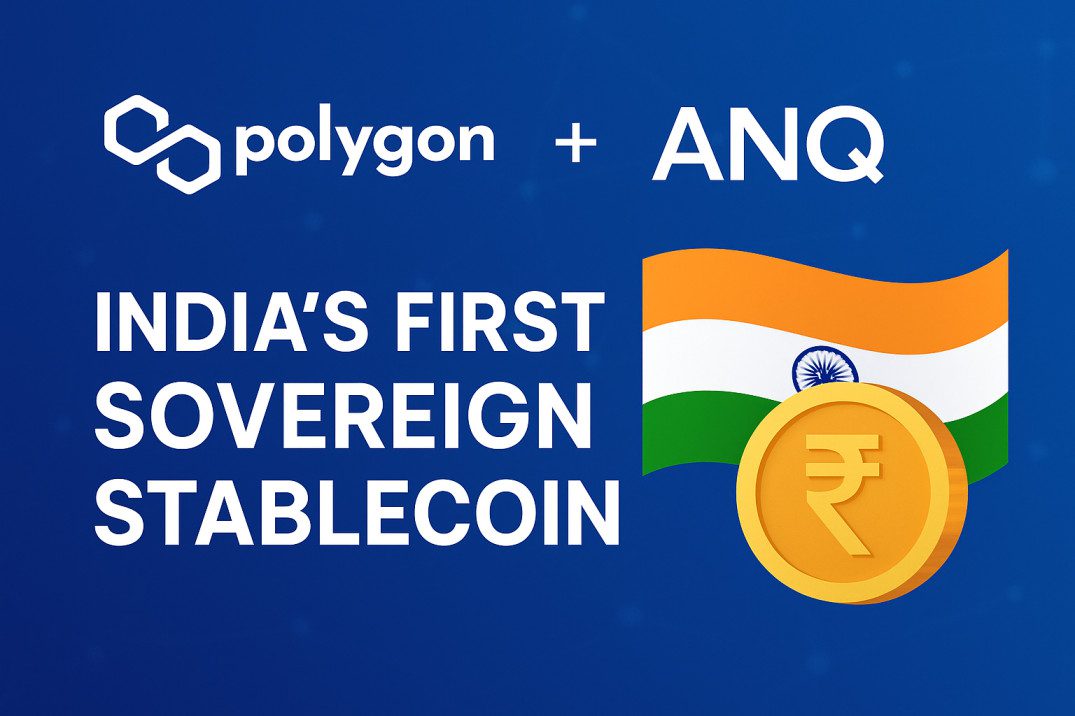
🇮🇳 Polygon and ANQ Are Developing India’s First Sovereign-Backed Digital Token
In one of the most ambitious moves yet, Polygon Labs has partnered with ANQ to develop a sovereign-backed digital asset called the Asset Reserve Certificate (ARC).
🔍 What Is ARC?
ARC will be a stablecoin-like token, but with a unique twist — it will be backed by Indian government securities instead of traditional USD or crypto reserves. This means it could act as a digital representation of the rupee’s value, secured by India’s financial system.
💡 Why It Matters
- Real-world adoption: It bridges crypto with the traditional economy.
- Low-cost transactions: Designed for domestic and cross-border payments.
- Financial innovation: Could help the Indian government test blockchain for future CBDC initiatives.
If successful, India’s ARC model could inspire other countries to adopt sovereign-backed digital tokens — positioning Polygon as the infrastructure layer for regulated tokenization.
🌍 Polygon Joins Global $10 Trillion Stablecoin Consortium
Polygon isn’t stopping at India. It recently joined forces with Fireblocks, Solana, Stellar, TON, and Mysten Labs (Sui) to form a $10-trillion global payments consortium.
The goal?
👉 To standardize stablecoin payments across different blockchains, wallets, and payment systems.
🚀 Why This Consortium Is a Big Deal
- It creates a universal standard for stablecoin interoperability.
- It could turn Polygon’s network into a core layer for cross-chain financial transactions.
- It signals growing institutional adoption — the next step in mainstream blockchain use.
With Fireblocks leading the initiative, Polygon’s presence ensures Ethereum-compatible scalability within this massive ecosystem.
⚠️ Polygon’s Co-Founder Sounds the Alarm
Even as Polygon grows globally, its co-founder Sandeep Nailwal issued a cautionary statement.
He warned that Wall Street’s rush into crypto — without proper guardrails — could trigger systemic risks similar to past financial crises.
“We need guardrails before greed takes over,” Nailwal said, emphasizing the need for clear regulatory frameworks as institutions pour billions into digital assets.
This shows Polygon’s leadership is thinking beyond hype — focusing on sustainable, compliant growth that can withstand market volatility.
🔁 From MATIC to POL — Polygon 2.0 Is Here
Polygon’s token migration is officially underway. The long-awaited move from MATIC to POL is more than a rebrand — it’s a full upgrade for the network.
🔄 What’s New in POL?
- Multi-chain staking support
- Improved governance model
- Seamless interoperability between all Polygon chains
Polygon 2.0 will connect multiple Layer-2 chains under one ecosystem — making it faster, more efficient, and ready for global-scale payments and DeFi applications.
📈 Market Outlook for MATIC / POL
Polygon’s fundamentals are stronger than ever. Analysts predict a potential price range of $0.80 – $1.20 by the end of 2025, assuming continued ecosystem growth and successful adoption of the ARC and consortium initiatives.
Key Growth Drivers:
✅ Adoption of India’s ARC stablecoin
✅ Expansion through global payment networks
✅ Smooth migration to POL token
✅ Continuous scaling and developer support
However, like all crypto projects, Polygon faces challenges:
- Increasing competition from other Layer-2s like Arbitrum, Optimism, and Base
- Regulatory uncertainty in India and abroad
- Execution risks in large-scale integrations
🧩 Why Polygon Is More Than Just a Layer-2
Polygon started as an Ethereum scaling solution, but it’s now evolving into the value layer of the internet — a network where traditional finance meets decentralized innovation.
By combining blockchain technology, regulatory readiness, and global partnerships, Polygon is paving the way for a world where money moves as easily as information.
🔮 What’s Next for Polygon
Watch out for these upcoming milestones:
📢 Official launch or pilot of India’s ARC stablecoin
💰 Integration of POL into major exchanges & wallets
🔗 Updates from the global stablecoin consortium
📊 Expansion of tokenized real-world assets (RWAs)
If Polygon executes these plans successfully, it could become one of the most adopted blockchains in the financial sector — not just in crypto.
Polygon’s strategy shows a clear shift — from solving blockchain scalability to powering the future of global finance.
By merging technology, policy, and real-world use cases, Polygon (POL) is building what might become the most practical blockchain ecosystem of the next decade.
Whether you’re an investor, developer, or crypto enthusiast — keep your eyes on Polygon. The next chapter of Web3 might just be written in POL.