XRPL’s Africa Expansion Heats Up: A New Era for Crypto Across the Continent
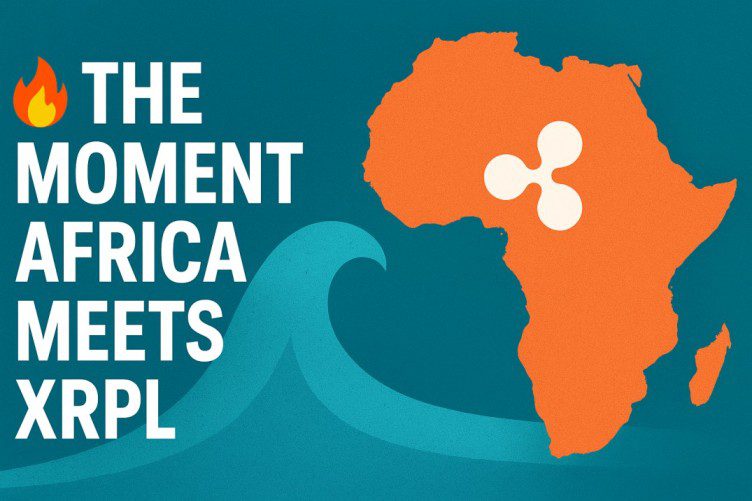
🔥 The Moment Africa Meets XRPL
Africa has long been called “the sleeping giant” of global finance — full of potential, yet held back by outdated systems and limited access.
Now, that giant is waking up — and Ripple’s XRP Ledger (XRPL) is right there to catch the wave.
In a bold new move, Ripple has doubled down on its African ambitions with a $200,000 “Attackathon” to secure the XRPL lending protocol, new partnerships with major African banks, and the expansion of its stablecoin (RLUSD) across multiple countries.
This isn’t just a PR stunt — it’s a sign that Ripple is thinking big, building infrastructure to empower millions who’ve been left out of the global financial system.
💡 What’s Happening: The XRPL “Attackathon”
Ripple recently launched a $200K developer challenge — inviting ethical hackers and developers to break (and then fix) its XRPL lending protocol.
Partnering with Immunefi, Ripple is betting on community-powered security to bulletproof its upcoming DeFi (decentralized finance) ecosystem.
👉 Think of it like a stress test — finding flaws before the bad guys do.
Why it matters:
Africa has one of the fastest-growing DeFi adoption rates in the world, but security concerns remain high. Ripple’s proactive approach could set a new standard for trust and safety in decentralized finance.
🏦 Ripple’s New Partnerships: Africa Joins the Chain
Ripple’s expansion isn’t happening in isolation — it’s being powered by strategic partnerships.
🌍 1. Ripple + Absa Bank
Ripple joined hands with Absa Bank, one of South Africa’s biggest financial institutions, to expand digital asset custody and institutional services.
That means traditional banks — not just crypto startups — will help bring blockchain-based finance to the masses.
💵 2. RLUSD Stablecoin Gains Traction
Ripple’s USD-backed stablecoin RLUSD (Ripple Liquidity USD) has quietly become a game changer.
It’s pegged 1:1 to the U.S. dollar — a stable option for African users dealing with volatile local currencies.
Ripple is partnering with top African fintechs like:
- Chipper Cash 🇺🇬
- VALR 🇿🇦
- Yellow Card 🇳🇬
These partnerships make it easier for everyday users and businesses to send, receive, and save digital dollars — securely and instantly.
🌐 Why Africa? Why Now?
Let’s be real — Ripple isn’t the only one eyeing Africa. But the timing couldn’t be better.
📱 1. Mobile-First Economy
Africans are already digital — mobile wallets like M-Pesa, Airtel Money, and Flutterwave reach millions. XRPL fits perfectly into this ecosystem.
💸 2. High Remittance Costs
Sending money across African borders can cost 8–10% in fees. Ripple’s blockchain promises near-zero-fee transfers in seconds.
💰 3. Currency Instability
From the Naira (Nigeria) to the Kenyan Shilling, many African currencies fluctuate wildly. A dollar-backed stablecoin like RLUSD offers much-needed financial stability.
🧠 4. Young, Tech-Savvy Population
With 70% of Africans under 30, the continent is full of early adopters — ready to embrace blockchain innovation faster than the rest of the world.
🌟 The Human Side
Meet Moses, a small business owner in Nairobi.
Every month, he pays suppliers in Ghana and receives payments from clients in Europe. Traditional banks take days — sometimes a week — to clear his funds.
With XRPL’s instant settlement and stablecoin integration, Moses could send payments in seconds with minimal fees.
That’s the power of blockchain when it’s done right — not hype, but real human impact.
✅ Pros of XRPL’s Africa Expansion
| 🌟 Benefit | 💬 Why It Matters |
|---|---|
| 1. Financial Inclusion | Gives millions of unbanked people access to modern financial tools without needing a bank account. |
| 2. Cheaper Cross-Border Payments | Ripple’s On-Demand Liquidity (ODL) can slash fees and time for remittances and business transfers. |
| 3. Stablecoin Access (RLUSD) | Helps businesses and individuals hedge against inflation and currency devaluation. |
| 4. Institutional Trust | Ripple’s partnerships with Absa and regulated fintechs bring credibility. |
| 5. DeFi Security via Attackathon | A transparent, proactive way to improve XRPL security before going mainstream. |
| 6. Developer Empowerment | Opens doors for African coders, ethical hackers, and innovators to earn and build within XRPL. |
⚠️ Cons & Challenges
| ⚠️ Concern | 💬 Potential Risk |
|---|---|
| 1. Regulatory Ambiguity | Crypto rules vary across African nations; some remain cautious or restrictive. |
| 2. Limited Infrastructure | Internet and blockchain literacy gaps may slow adoption in rural areas. |
| 3. Liquidity Gaps | Stablecoin success depends on reliable fiat on/off ramps — still developing in Africa. |
| 4. Competition | Ethereum, Solana, Stellar, and others are racing for the same audience. |
| 5. Trust Issues | After years of scams and exchange collapses, users need assurance Ripple won’t “just disappear.” |
| 6. Political Volatility | Policy shifts, corruption, and instability can affect adoption and growth. |
🔭 The Road Ahead
Ripple’s Africa strategy feels different — it’s not just about hype or token listings. It’s about building infrastructure, forming partnerships, and earning trust.
If Ripple succeeds:
- Millions could gain access to real digital banking.
- Remittances could become instant and nearly free.
- Stablecoins could protect people’s savings from inflation.
But it all hinges on execution — making sure the tech works seamlessly, regulators stay on board, and locals see real benefits, not just promises.
🧭
Africa isn’t just another market — it’s the future of fintech.
And Ripple, with XRPL and RLUSD, is positioning itself at the heart of that transformation.
Sure, there are risks — but innovation always starts at the edge of uncertainty.
If done right, this could be the story where blockchain stops being “the future of finance”… and starts being finance itself.